


Unlock Your Next Adventure How to Use AI to Plan the Perfect, Stress-Free Trip
December 27, 2025
3 min
You’ve probably heard it a thousand times: “Avocados are a superfood!” And you’ve likely made the switch to avocado oil, believing it’s the pinnacle of healthy cooking fats. I was right there with you, confidently recommending it to everyone. But what if I told you that the vibrant green bottle sitting in your pantry might be doing more harm than good? The journey from the orchard to your kitchen is fraught with shortcuts, deception, and a regulatory void that allows subpar, even inflammatory, products to masquerade as health foods. It’s a story of green-washing in the most literal sense. But don’t worry—by the end of this article, you’ll be a savvy shopper, equipped to find the real, health-boosting gold and avoid the fool’s gold.

Let’s start with the fruit itself. That perfectly green, unblemished avocado you pick up at the store might be a beautifully wrapped lie. To meet massive demand, many avocados are picked unripe and then placed in chambers where they are gassed with ethylene to force an artificial ripening process. This trick creates the look of ripeness but robs the fruit of its chance to develop its full spectrum of natural flavors and, most importantly, its powerful phytonutrients. This is because these beneficial compounds develop slowly in response to natural sunlight and tree nutrients, a process that can’t be rushed in a gas chamber. The result? An avocado that looks perfect on the outside but is bland and nutrient-poor on the inside. This is our first lesson: natural timing is everything. Forcing ripening is a shortcut that sacrifices quality and nutrition for convenience and shelf appeal.
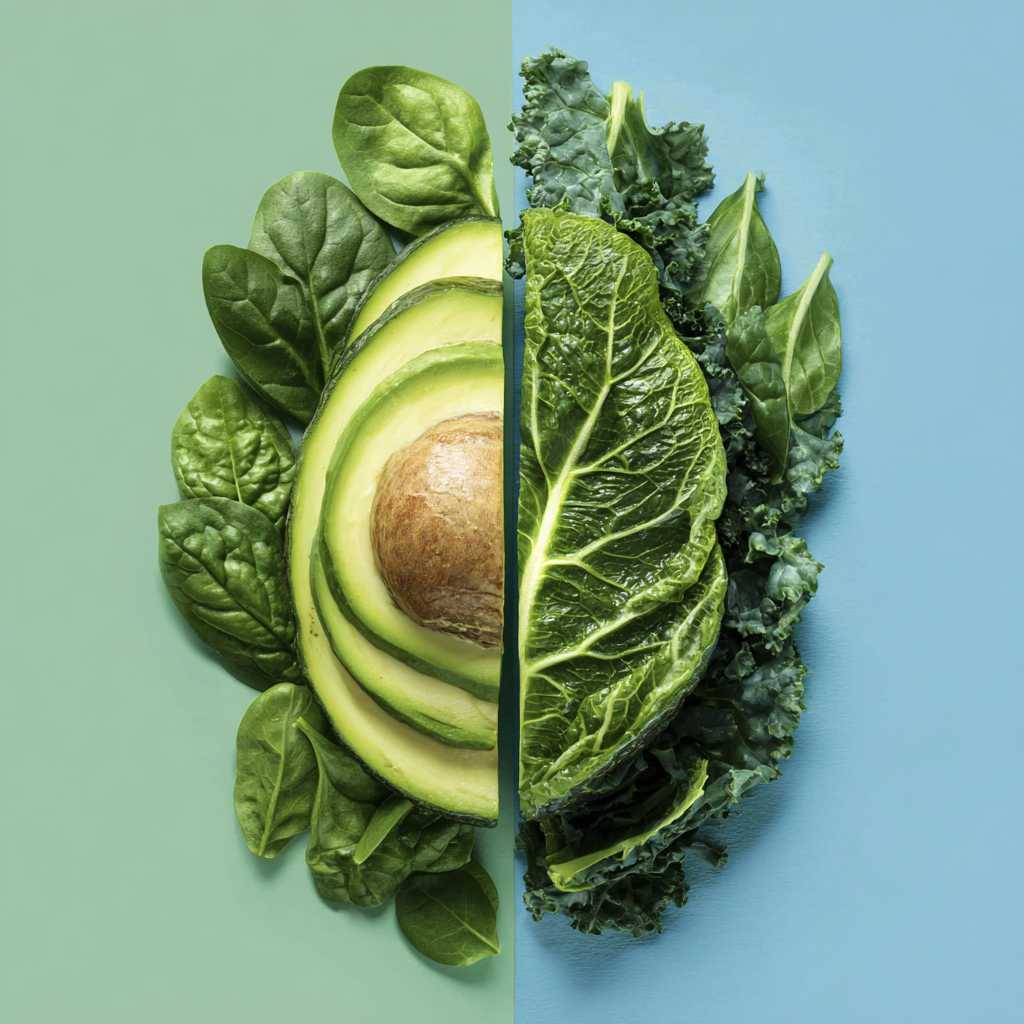
Now, let’s dive into the real shocker: the avocado oil on your shelf. Imagine cutting an apple in half. One side you drizzle with lemon juice; the other you leave alone. The unprotected side turns brown—that’s oxidation, akin to rust on metal. This exact process is happening en masse in many bottles of avocado oil. A landmark study analyzing 22 major brands found a “tremendous amount of oxidation” occurring. Why does this matter? Consuming oxidized oils introduces inflammatory compounds into your body, working directly against your health goals. But the problems don’t stop there. The study found that a staggering 82% of the oils were mislabeled. Many were adulterated with cheap, inflammatory seed oils like soybean and canola to cut costs. To hide the rancid smell of oxidation, companies use a process called deodorization, stripping the odor but leaving the harmful, oxidized oil behind.
So how does this avocado oil fraud happen? The answer is a stunning lack of oversight. Unlike olive oil, which has an internationally recognized standard for terms like “extra virgin,” the avocado oil industry operates in a Wild West of regulation. There are no binding legal definitions for processing or labeling. This void allows for rampant corruption. Here’s a critical labeling loophole: a product can be grown in one country, blended with other oils in another, bottled in the U.S., and still be legally labeled “Product of U.S.A.”—a technically true but deeply misleading statement. To make matters worse, there’s no requirement to put an expiration or “harvested on” date on the bottle, making it impossible to know if you’re buying fresh oil or something that’s been sitting in a warehouse for a year, slowly oxidizing.
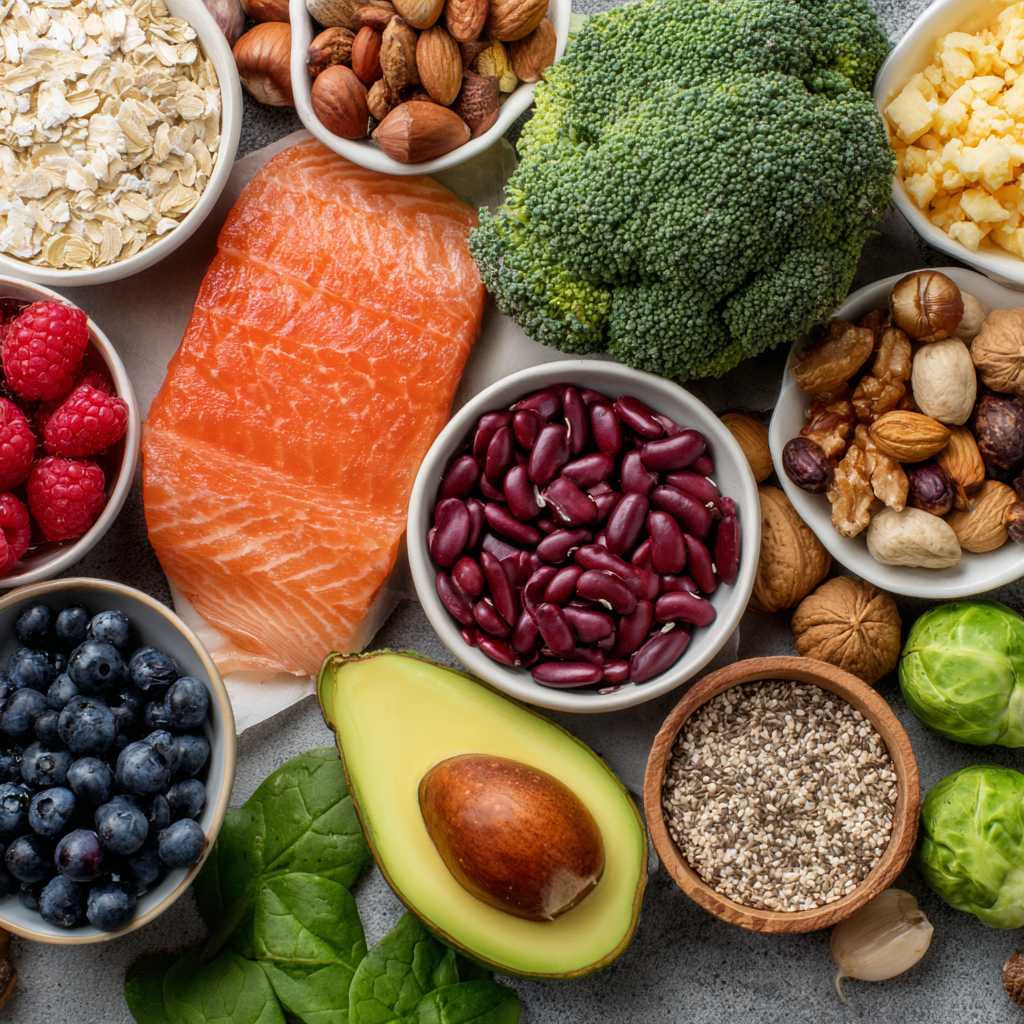
Despite these alarming issues, don’t write off avocados and their oil entirely. When sourced correctly, they remain nutritional powerhouses, packed with heart-healthy monounsaturated fats, more potassium than a banana, and essential magnesium. The key is to become a detective. For oil, always choose a dark glass bottle (light accelerates oxidation), check for a harvest or expiration date, and look for a deep green tint indicating the presence of antioxidant-rich chlorophyll. For whole avocados, buy in season, avoid pre-bagged and waxed ones, and use the gentle thumb press test to find one that’s perfectly ripe. Your health is worth the extra effort. By choosing wisely, you can truly harness the incredible benefits of this superfood without falling for the industry’s traps.
