


Unlock Your Next Adventure How to Use AI to Plan the Perfect, Stress-Free Trip
December 27, 2025
3 min
If you’ve ever found yourself torn between pushing for a personal best in the gym and worrying about long-term joint health, you’re not alone. Many fitness enthusiasts, especially those in their middle years, grapple with this exact dilemma. We want to stay strong, capable, and independent for decades to come—but at what cost? In this article, we’ll explore the risks and rewards of heavy compound lifts like deadlifts, uncover smarter ways to build functional strength, and reveal why grip strength and cardiovascular fitness may be far better predictors of a long, vibrant life than any max lift. Let’s dive in.

Deadlifts and squats have long been staples in strength training, celebrated for their ability to build power and muscle. However, these exercises come with significant risks, especially as we age. Heavy axial loading—the compressive force placed on the spine during movements like deadlifts—can lead to micro-fractures in the vertebrae, particularly near the endplates of the trabecular bone. For professional powerlifters, this damage is managed with strict recovery protocols, but for the average person, repeatedly pushing for personal bests can accumulate until it results in serious injuries like endplate fractures or herniated discs. It’s not just about the weight on the bar; it’s about the toll it takes on your body over time. Rather than chasing numbers, consider whether your training aligns with your long-term health goals. Do you want to be able to play with your grandkids on the floor at 80, or risk needing joint replacements down the line?
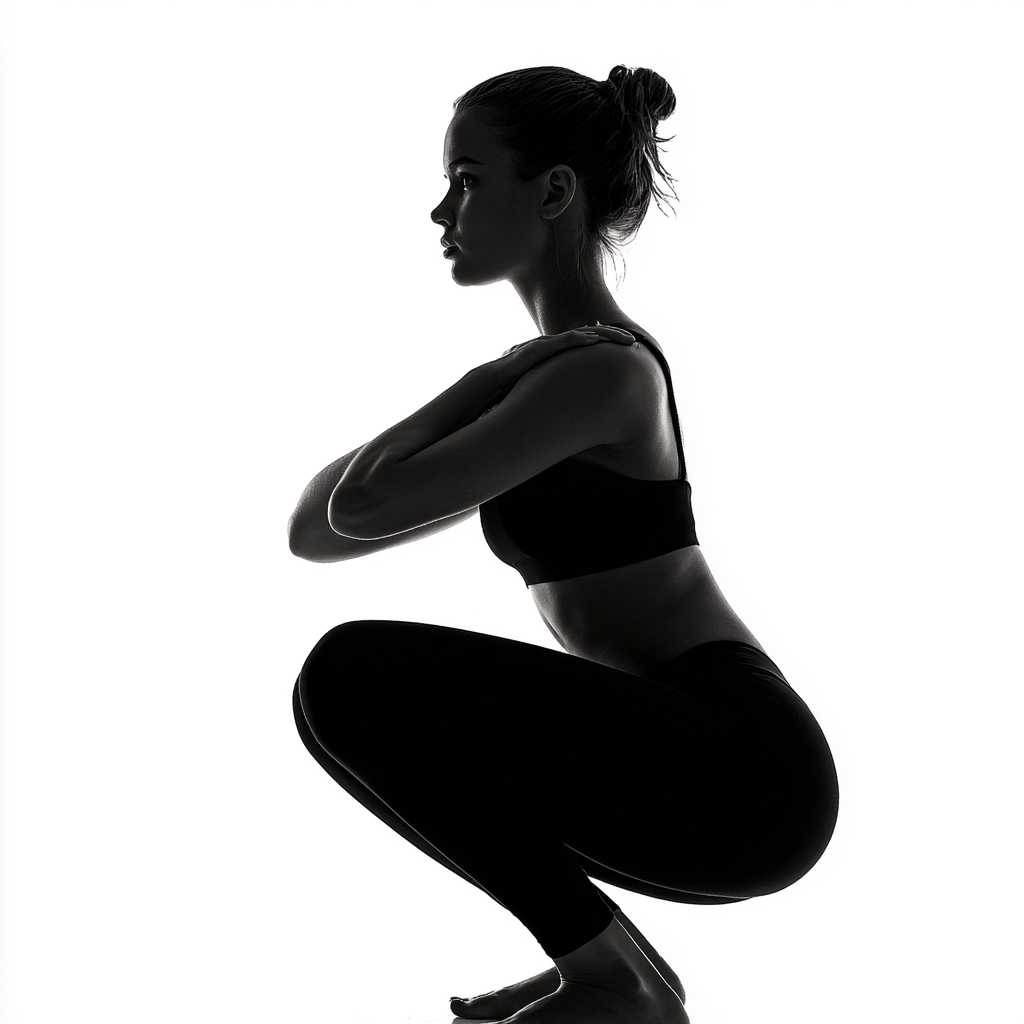
Fortunately, you don’t have to give up strength training to protect your joints. There are plenty of lower-risk alternatives that deliver similar—or even better—functional benefits. Single-leg exercises, such as lunges and step-ups, build lower-body strength without the spinal compression of heavy deadlifts. Backward walking uphill is another powerhouse movement that engages the glutes, hamstrings, and quads while improving stability and endurance. Many people who pride themselves on lifting heavy are shocked to find how challenging it is to walk backward up a hill for just 30 meters. This type of training not only spares your joints but also enhances your overall athleticism by activating underused muscles. Other options like farmer’s carries, sled pushes, and grip-focused work (e.g., carrying logs or cinder blocks) build full-body strength, stability, and resilience without the high injury risk associated with max-effort lifts.
When it comes to predicting longevity, two biomarkers stand out above all others: VO2 max and grip strength. Research shows that these metrics are more strongly correlated with lifespan than traditional factors like smoking history or family disease risk. Why? Because they are integrators of overall health and consistent effort. You can’t fake a high VO2 max; it reflects years of cardiovascular training. Similarly, a strong grip isn’t built overnight with cheap hand squeezers—it’s developed through real-world activities like carrying heavy loads, chopping wood, or performing farmer’s carries. Grip strength also serves as a proxy for full-body stability, as it requires force transmission from the core through the hands. By focusing on sustainable fitness practices—such as improving your endurance, stability, and functional strength—you’re not just building a body that looks strong; you’re building one that will serve you well into your later years.
At the end of the day, fitness shouldn’t be about ego or personal records—it should be about creating a sustainable, joyful, and capable life. You don’t need to deadlift 400 pounds to be strong; you need to move well, feel confident in your body, and maintain the ability to do the things you love for as long as possible. Embrace the concept of ‘sufficient strength’: enough mobility to play on the floor with your grandchildren, enough endurance to hike up a hill without gasping for air, and enough grip strength to carry groceries with ease. Your future self will thank you for making choices today that prioritize longevity over short-term achievements. Here’s to building a body that not only looks strong but feels strong for life.
