


Unlock Your Next Adventure How to Use AI to Plan the Perfect, Stress-Free Trip
December 27, 2025
3 min
Do you ever stand in the grocery store aisle, holding two versions of the same product—one organic, one conventional—and feel that familiar pang of guilt mixed with confusion? You want to do what’s best for your health, but your wallet is begging for mercy. You’re not alone. The organic label has become a beacon of ‘health,’ but what if I told you that spending that extra 50-80% is often completely unnecessary? Even worse, what if that ‘organic’ pop-tart is giving you a false sense of security while dumping a mountain of sugar into your system? The truth is, smart health isn’t about blindly following trends; it’s about making informed choices. Today, we’re cutting through the marketing hype to reveal the 13 foods where organic is a total waste of money and, more importantly, the key items where skipping organic could expose you to a cocktail of concentrated pesticides. Let’s empower your shopping cart and your budget.

First, let’s demystify what ‘organic’ actually means. It’s not just a fancy sticker. For crops, it signifies they were grown without synthetic pesticides, insecticides, herbicides, or fungicides. For animal products, it means the livestock was raised without antibiotics and fed organic feed. But the labeling can be tricky. ‘Made with Organic Ingredients’ means only 70% of the product is organic, while ‘Organic’ means 95%. For the real deal, you want ‘100% Organic.’ But here’s the first catch: the system isn’t perfect. Have you seen ‘hydroponic’ vegetables labeled as organic? These are grown in a soilless mineral solution, completely bypassing the rich, microbial ecosystem of real soil. In my opinion, this misses the entire point of organic farming. The biggest red flag? ‘Organic Junk Food.’ An organic cookie is still a cookie, loaded with sugar and starch. Don’t let the label trick you into thinking it’s a health food.
Now, let’s talk savings and how to save money on organic food by knowing when it’s not needed. Here are the top foods where buying organic is like throwing money out the window. The common theme? A strong natural barrier that minimizes pesticide exposure. 1. Sea Salt: It’s a mineral. Pests don’t eat it, so it’s never sprayed. Just choose a high-quality source. 2. Wild-Caught Fish: How can you control what a wild fish eats in the open ocean? You can’t. ‘Organic’ is pure marketing here. 3. Avocados & Mangos: That incredibly tough skin acts as a powerful shield, preventing pesticides from contaminating the fruit inside. 4. Hard-Shell Nuts & Coconut: Walnuts, pecans, Brazil nuts, macadamias, and coconuts have impenetrable shells. Save your cash and buy conventional. 5. Baking Soda: This alkaline mineral comes from the earth and isn’t treated with pesticides. 6. Bananas & Citrus Fruits: Simply peel away the protective layer. 7. Cabbage, Onions & Pineapple: Just remove the outer leaves, skin, or tough crown. 8. ‘Organic’ Water: This might be the most baffling claim of all.

Conversely, some foods act like sponges for chemicals or are heavily sprayed due to their growing conditions. For these, organic is a non-negotiable for your health. 1. Soft-Skinned Fruits: Strawberries, grapes, cherries, and apples top the list. With no protective shell, pesticides are absorbed directly. 2. Leafy Greens: Spinach and kale are notoriously sprayed. If you consume them, organic is essential. 3. Celery & Peppers: Their large surface area makes them highly susceptible to chemical absorption. 4. Peanuts: Grown in the ground and prone to mold, they are heavily treated with fungicides. 5. Coffee & Tea: These crops are often grown in tropical regions and heavily sprayed. 6. Chocolate: Cacao beans are frequently sprayed with chemicals. 7. Wheat, Oats, & Lentils: This is critical. A ‘Non-GMO’ label does not mean pesticide-free. Conventional grains and pulses are often sprayed with glyphosate (Roundup) as a drying agent to desiccate the crop for an easier harvest, not just to kill weeds. Only the ‘Organic’ label prohibits this practice.
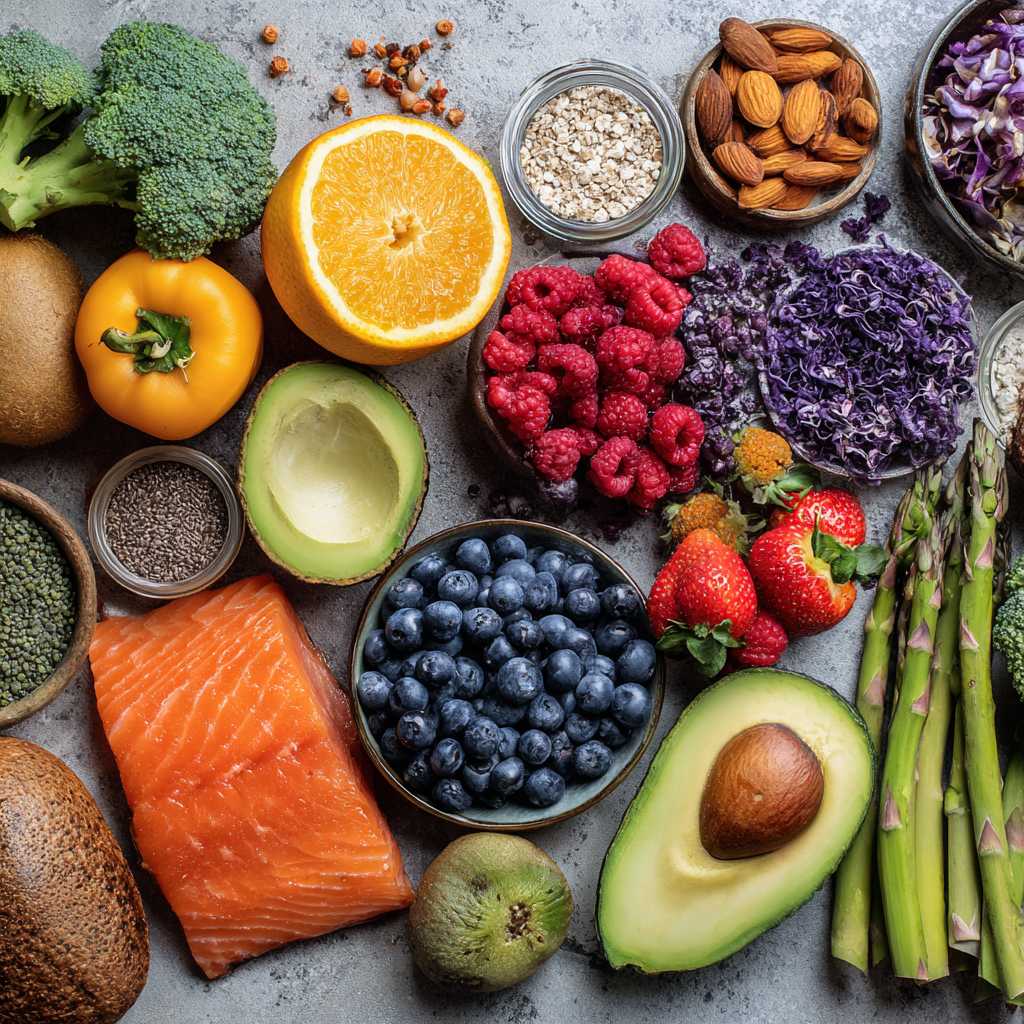
Knowledge is the ultimate nutrient. Being health-conscious isn’t about buying everything organic; it’s about being strategic. You can protect your family from harmful pesticide exposure without blowing your entire grocery budget. Use your hard-earned money where it counts—on the soft-skinned, heavily sprayed produce and grains. For the rest, enjoy the conventional versions with confidence and use the savings to invest in other areas of your well-being. Remember, the healthiest diet is one that’s both nourishing and sustainable for your life. Now you can walk into that store not with confusion, but with the power to make truly intelligent choices.
